
The Rise of Smart Home Gadgets: A 2026 Perspective
As we step into 2026, the evolution of Smart Home Gadgets continues to reshape our living spaces, transforming ordinary homes into remarkable havens of convenience and efficiency. These innovative technologies promise to enhance our daily routines, offering comfort, security, and energy efficiency like never before. With an increasing number of households embracing smart solutions, it’s essential to understand the impact and benefits that these gadgets bring to our everyday lives. When exploring options, Smart Home Gadgets provide comprehensive insights into the latest advancements in home automation.
Understanding Smart Home Gadgets and Their Impact
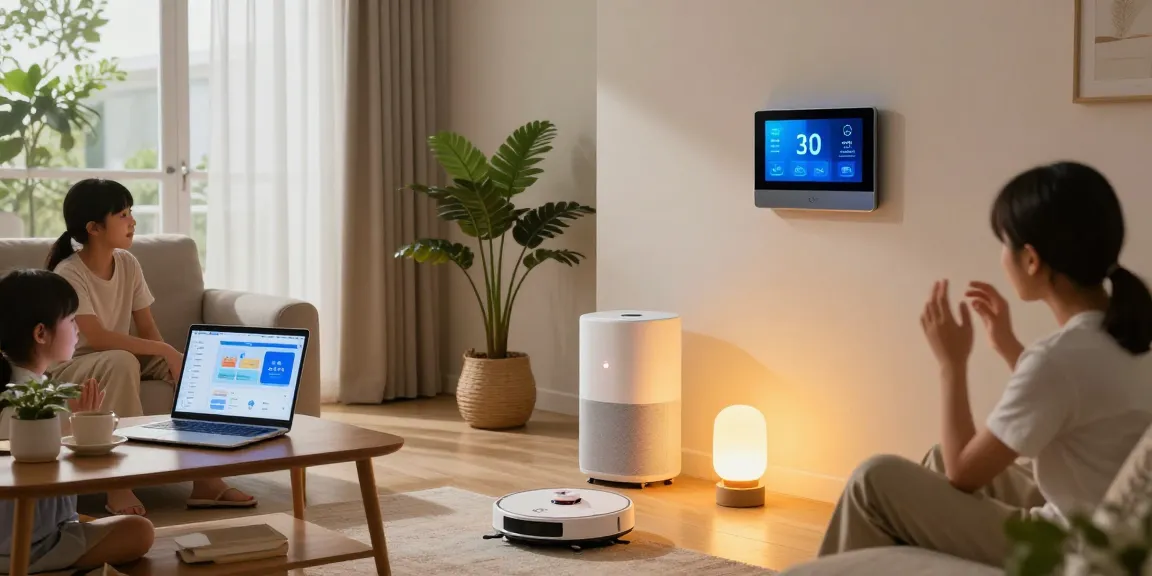
Smart home gadgets refer to devices that connect to the internet and can be controlled remotely, often through smartphone apps or voice commands. These gadgets not only automate tasks but also enhance security and improve energy management in homes. They range from simple elements like smart plugs to comprehensive systems like home security setups. With their ability to communicate with each other, they create an interconnected ecosystem that simplifies daily tasks and enhances the overall living experience.
The impact of these devices extends beyond mere convenience; they have redefined how we interact with our homes. For instance, smart thermostats learn our heating preferences and adjust settings to save energy without compromising comfort. This not only helps in reducing utility bills but also contributes to sustainability efforts. As technology continues to advance, the relevance of smart home gadgets becomes increasingly paramount.
How Smart Home Gadgets Enhance Everyday Living
Smart home gadgets can significantly improve quality of life by enhancing convenience, security, and efficiency. For example, smart lighting solutions allow users to adjust the ambiance of their homes with a simple voice command or a tap on a smartphone app. This ability to customize settings for different times of the day or occasions can help create a more welcoming atmosphere.
Moreover, security features such as smart cameras and doorbells provide homeowners with real-time alerts, enabling them to monitor their property from anywhere in the world. This peace of mind is invaluable, especially for those who travel frequently or live in areas with higher crime rates. By integrating various smart devices, users can also set automated routines, such as turning off lights and locking doors at bedtime, ensuring that their homes are secure at all times.
Statistics on Smart Home Adoption Rates
The adoption of smart home technology is on the rise, with recent statistics indicating that nearly 60% of U.S. households now own at least one smart device. This number is expected to grow as more consumers recognize the benefits of smart home gadgets. According to a recent report, the global smart home market is projected to exceed $175 billion by 2025, driven by advancements in AI and machine learning, which enhance the functionality of these devices.
Furthermore, the increasing awareness about energy efficiency and sustainability is motivating consumers to invest in smart home technologies. Smart gadgets not only offer convenience but also promise substantial savings on energy bills, making them an attractive option for environmentally conscious individuals.
Key Categories of Smart Home Gadgets
Smart Security Systems: Safety Meets Technology
Security is a top priority for homeowners, and smart security systems offer a sophisticated solution. These systems typically include smart cameras, motion sensors, and smart locks that can be controlled remotely. For instance, a smart doorbell camera allows homeowners to see and communicate with visitors without opening the door, adding an extra layer of security. Additionally, features like geofencing can automatically lock doors when residents leave the house, ensuring that homes remain secure.
Many smart security systems can integrate with existing home automation setups, allowing for a seamless experience. This means that when a resident arrives home, the system can automatically disarm, turn on lights, and adjust the thermostat, creating a welcoming environment.
Smart Lighting Solutions for Every Mood
Smart lighting is one of the most popular categories of smart home gadgets due to its versatility and ease of use. With options for color-changing bulbs, dimmable lights, and automated scheduling, smart lighting can enhance any room’s mood. For example, homeowners can set bright, energizing lights in the morning and soft, warm hues in the evening to promote relaxation.
Moreover, smart lights can be controlled via voice assistants, making it convenient for users to adjust settings while multitasking. Integration with other smart devices allows the lighting to respond to specific events, such as dimming when a movie is playing or turning on automatically when someone enters a room.
Home Automation Devices for a Seamless Experience
Home automation devices streamline everyday tasks and improve efficiency. Smart thermostats, for instance, learn user habits and adjust heating and cooling settings accordingly, leading to significant energy savings. Smart appliances, like refrigerators that can monitor food inventory and suggest recipes, also contribute to a more efficient home. These devices are designed to make daily chores easier, offering users more time to focus on what matters most.
By interlinking these devices, homeowners can create customized scenarios. For instance, a user can program their home to prepare for bedtime by dimming the lights, locking doors, and adjusting the thermostat to a comfortable temperature—all with a single command.
Top Smart Home Gadgets to Consider in 2026
Must-Have Devices for Your Living Room
The living room serves as the heart of the home, making it the perfect place for smart gadgets that enhance entertainment and comfort. Smart TVs equipped with voice recognition and integrated streaming services are essential for the ultimate viewing experience. Additionally, smart speakers can serve as a control hub for other devices while providing high-quality audio for music and movies.
Another must-have device is the smart hub, which acts as the central command for all connected gadgets, allowing for automation and control from a single interface. This integration simplifies the user experience and enables seamless communication between devices.
Essential Gadgets for Kitchen Efficiency
The kitchen is another area where smart technology can significantly enhance efficiency. Smart ovens and coffee makers can be programmed to start cooking or brewing at specific times, allowing for freshly made meals and beverages with minimal effort. Smart refrigerators can keep track of groceries and alert owners when items are running low or nearing expiration, reducing food waste.
Furthermore, smart kitchen assistants can provide recipe suggestions and cooking guidance, making meal preparation easier for novice cooks. By incorporating these devices, homeowners can turn their kitchens into hubs of innovation and convenience.
Innovative Products for Smart Home Security
As security concerns remain paramount for homeowners, investing in innovative smart security products is a wise choice. Beyond traditional cameras, products such as smart locks offer enhanced control over access to the home. These locks can be programmed to provide temporary access codes for guests or service personnel, which can be monitored remotely.
Moreover, motion sensors can alert homeowners of any unusual activity, while smart alarms can notify users of any breaches in real-time. By employing a combination of these devices, homeowners can create a comprehensive security system tailored to their specific needs.
Installation and Setup of Smart Home Gadgets
Step-by-Step Guide to Installing Smart Devices
Installing smart home gadgets can be a straightforward process, especially with the right guidance. Begin by selecting a location for each device that maximizes its effectiveness—such as placing smart cameras in strategic positions or locating smart speakers in central areas for optimal sound quality. Most devices come with detailed instructions and intuitive apps that guide users through the setup process.
Typically, the installation involves connecting the device to Wi-Fi and downloading the corresponding app on a smartphone. Once configured, users can customize settings and integrate the device with other smart home systems, enhancing overall functionality.
Common Challenges and Solutions During Setup
While installing smart home gadgets is generally uncomplicated, users may face certain challenges. Issues such as Wi-Fi connectivity problems, app crashes, or device compatibility can arise. To mitigate these, ensure that your Wi-Fi network is robust and that devices are within range of the router.
If compatibility issues occur, consulting product manuals or online forums can often provide solutions. Many manufacturers also offer customer support to assist with troubleshooting, ensuring users can enjoy their devices without frustration.
Expert Tips for Optimizing Device Performance
To make the most of your smart home gadgets, consider the following expert tips:
- Regular updates: Ensure that your devices‘ firmware and apps are updated to the latest versions for optimal performance and security.
- Network management: Use a dedicated Wi-Fi network for smart devices to reduce interference with other devices and improve connectivity.
- Automation routines: Explore the automation features of your devices to create customized routines that enhance everyday life.
- Monitoring performance: Keep an eye on energy consumption and device responsiveness, adjusting settings as necessary to maintain efficiency.
Future Trends in Smart Home Technology
Predictions for Smart Home Innovations Beyond 2026
The smart home market is poised for explosive growth in the coming years, with innovations likely to include advanced AI integration, improved voice recognition, and more intuitive interfaces. Future gadgets may also prioritize sustainability, with devices specifically designed to optimize energy consumption and reduce waste.
As more homeowners become accustomed to smart technology, we can expect an increase in demand for devices that offer personalized experiences, adapting to users‘ habits and preferences in real-time.
How AI is Shaping the Future of Smart Homes
Artificial intelligence is at the forefront of smart home advancements, enabling devices to learn and adapt to users‘ behaviors. For instance, AI-powered systems can analyze usage patterns, allowing for smarter energy management and enhanced security protocols. As these technologies evolve, the linkage between AI and smart home gadgets will create an increasingly customized and responsive living environment.
Consumer Preferences and Emerging Gadgets to Watch
As we move forward, consumer preferences for smart home gadgets will likely shape industry trends. Emerging products that integrate health monitoring, such as smart air purifiers that adjust based on real-time air quality data or smart beds that track sleep patterns, will capture the market’s attention.
Furthermore, the rise of privacy-conscious consumers will fuel demand for devices that prioritize data security while still offering robust functionality. Manufacturers will need to adapt to these preferences to remain competitive in the rapidly evolving smart home landscape.
What are the best smart home gadgets for security?
The best smart home gadgets for security include smart locks that can be accessed remotely, doorbell cameras that alert homeowners of visitors, and motion detectors that send notifications for unusual activity. Investing in a comprehensive smart security system that integrates various devices can significantly enhance home safety.
How do smart home gadgets help with energy efficiency?
Smart home gadgets contribute to energy efficiency by allowing users to monitor and control their energy consumption in real-time. Smart thermostats, for example, learn user habits and adjust settings accordingly, leading to reduced heating and cooling costs. Additionally, smart plugs can track energy usage, helping users identify and eliminate energy waste.
Are smart home gadgets easy to install?
Most smart home gadgets are designed for easy installation, with detailed setup guides and user-friendly apps. Following instructions carefully and ensuring a stable Wi-Fi connection can simplify the process, allowing users to enjoy the benefits of their devices with minimal hassle.
What trends can we expect in smart home technology?
Future trends in smart home technology include advancements in AI, increased focus on energy efficiency, and the development of privacy-centric devices. Additionally, the integration of health and wellness features into smart gadgets is expected to gain traction, offering users a more holistic approach to home automation.
How do smart home gadgets integrate with existing systems?
Smart home gadgets can integrate with existing systems through the use of hubs and platforms that support multiple device types. For more information, Smart Home Gadgets offers valuable insights. Many devices are compatible with popular ecosystems such as Google Home and Amazon Alexa, enabling seamless control and automation across various gadgets.