
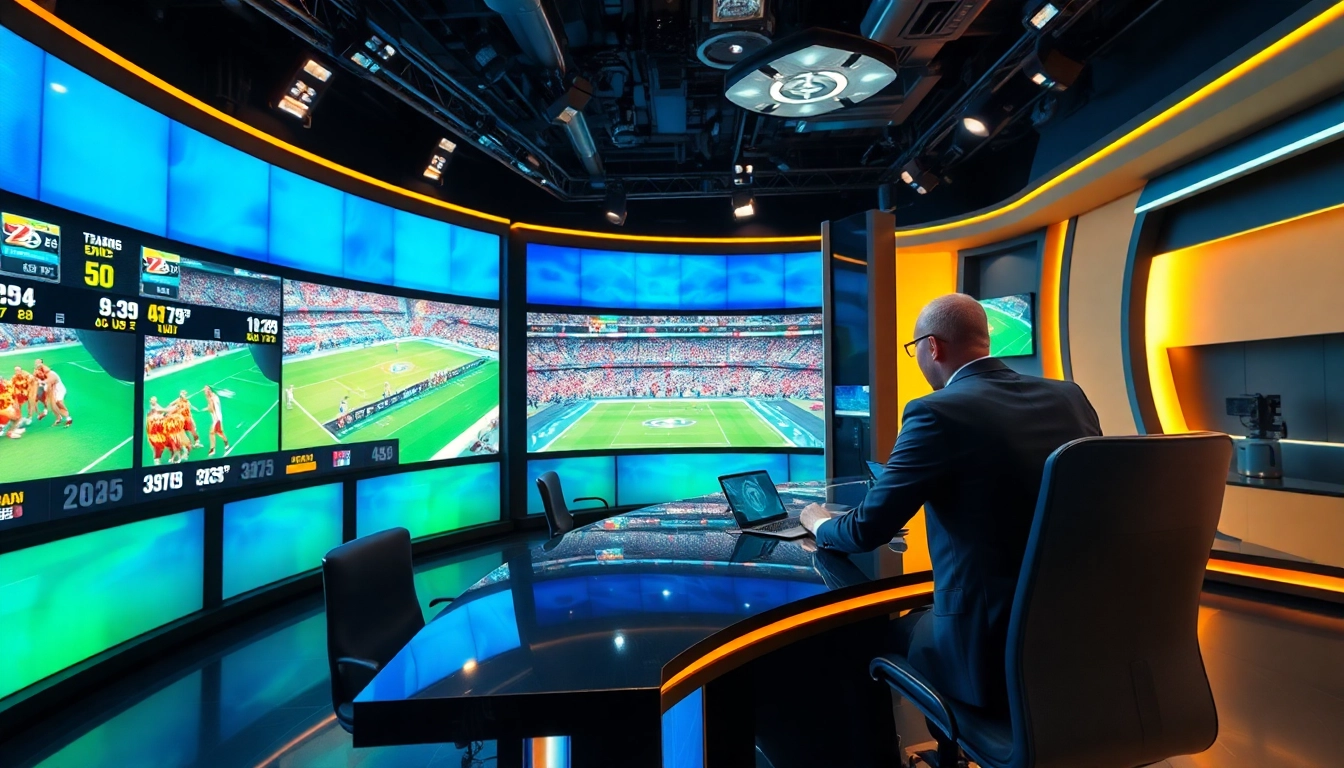
Understanding Sports Broadcasting
Definition and Importance of Sports Broadcasting
Sports broadcasting is the live transmission of sports events via various platforms, enabling fans worldwide to connect with their favorite sports in real-time. It plays a vital role in the sports ecosystem as it not only brings the action to viewers but also amplifies the fan experience through insightful commentary, expert analysis, and behind-the-scenes content. The significance of sports broadcasting extends beyond mere entertainment; it serves as a bridge between athletes and fans, helping to enhance community engagement and foster a culture around various sports.
The landscape of Sports Broadcasting has evolved significantly with the advent of modern technology, shifting from traditional television to a multitude of streaming platforms that allow for greater access and flexibility for audiences globally. This transformation has resulted in immense changes in how events are presented and consumed.
Key Roles in the Industry
Various professionals contribute to the sports broadcasting industry, ensuring a smooth and engaging viewer experience. Some of the key roles include:
- Producers: They coordinate the various elements that go into a broadcast, ensuring that production runs smoothly and meets quality standards.
- Commentators: Both play-by-play announcers and analysts provide engaging commentary during live events, enhancing viewer experience through their insights.
- Camera Operators: They capture the action from multiple angles, ensuring that viewers get the best perspective on the unfolding events.
- Technical Directors: They oversee the technical aspects of broadcasting, including audio and visual elements, to maintain high-quality production standards.
- Marketing Specialists: They focus on promoting broadcasts and building audience engagement through various platforms, including social media.
How Sports Broadcasting Impacts Viewership
The relationship between sports broadcasting and viewership is symbiotic. Effective broadcasting not only attracts new viewers but also retains existing audiences by creating compelling content. Key factors impacting viewership include:
- Accessibility: With the rise of digital streaming, audiences are no longer limited to traditional broadcasting schedules. Viewers can enjoy games on-demand or live across various devices.
- Engagement: Interactive elements, like real-time stats, polls, and social media integration, have changed how fans interact with broadcasts, enhancing their overall engagement.
- Quality Production: High-definition visuals, expert commentary, and innovative graphics contribute to a more immersive viewing experience, encouraging loyalty among fans.
Technologies Driving Sports Broadcasting
Essential Equipment for Sports Broadcasting
The technological backbone of sports broadcasting consists of a combination of advanced equipment and software. Key components include:
- Cameras: High-definition and 4K cameras capture events with incredible detail, providing viewers with an immersive experience.
- Microphones: Quality microphones pick up the best sounds, including commentary, crowd reactions, and on-field sounds, which adds depth to the broadcast.
- Broadcast Software: This includes editing tools and live broadcasting software that allow producers to seamlessly integrate various elements of the show.
- Internet Connectivity: Fast and reliable internet is crucial for live streaming services, enabling real-time transmission of events.
The Role of Streaming Services
Streaming services have transformed the landscape of sports broadcasting by providing viewers an unprecedented level of flexibility and accessibility. Unlike traditional broadcasts, streaming platforms allow fans to watch events on demand, catering to viewers' schedules and preferences. This has led to:
- Increased Audience Reach: Streaming services break geographical barriers, enabling sports fans worldwide to access and enjoy content.
- Subscription Models: Many streaming platforms offer varied subscription models to cater to different demographics, maximizing viewership through tailored access.
- Original Content: Streaming services not only broadcast live events but also produce original sports-related programming, enhancing viewer engagement.
Innovative Tools Enhancing Viewer Experience
Technological innovation continues to evolve in sports broadcasting, employing various tools to enhance viewer experiences. Innovations include:
- Augmented Reality (AR): This technology provides immersive graphics like player stats or interactive elements overlays that enhance storytelling during the broadcast.
- 360-Degree Viewing: Enabling fans to experience a game from different angles and perspectives increases engagement and allows for personalized viewing options.
- Smartphone Apps: Companion apps provide additional content, real-time stats, and interactive features, enriching the viewing experience for fans.
Best Practices in Sports Broadcasting
Creating Engaging Commentary
Commentary plays a crucial role in viewer engagement during broadcasts. Effective sports commentators employ several best practices:
- Enthusiasm: Passionate commentary resonates with viewers and enhances the excitement of the events.
- Insightful Analysis: Providing in-depth analysis or background information gives viewers a deeper appreciation of the game.
- Personal Anecdotes: Sharing stories or experiences can create a stronger connection between the commentator and the audience, making the commentary more enjoyable.
Strategies for Audience Interaction
Enhancing audience interaction can significantly boost engagement levels. Strategies include:
- Live Polling: Engaging viewers with live polls or questions can make them feel involved and provide real-time feedback on the broadcast.
- Social Media Integration: Encouraging fans to interact via social media platforms or dedicated hashtags fosters community engagement and discussion.
- Q&A Sessions: Hosting live Q&A sessions with players or commentators can provide valuable insights and keep viewers glued to their screens.
Adhering to Ethical Standards in Broadcasting
Ethical standards in sports broadcasting are crucial for fostering trust and maintaining credibility. Important considerations include:
- Accuracy: Providing accurate commentary and reporting is essential to maintain audience trust.
- Fair Representation: Ensuring unbiased coverage of all teams and events promotes inclusivity and fairness in reporting.
- Respecting Privacy: Navigating the balance between transparency and privacy, especially concerning athletes, is vital for maintaining ethical standards.
The Future of Sports Broadcasting
Emerging Trends to Watch
The future of sports broadcasting is poised to be shaped by several emerging trends that will redefine viewer experiences:
- Increased Use of AI: Artificial intelligence will play a vital role in automating functions, from editing highlights to personalizing viewer recommendations.
- Virtual Reality (VR): VR technologies can offer immersive experiences, allowing viewers to engage with games as if they were right there on the field.
- E-sports Broadcasting: The rise of e-sports presents new opportunities and challenges, with dedicated broadcasting approaches needed to attract viewers.
Impact of Social Media on Broadcasting
Social media has deeply influenced sports broadcasting by fostering real-time engagement and interaction. Key impacts include:
- Enhanced Fan Engagement: Platforms like Twitter and Instagram allow fans to share thoughts and experiences instantly, enriching the overall viewing experience.
- Real-Time Updates: Broadcasters can leverage social media for immediate updates, which in turn helps to keep audiences informed and engaged.
- Content Sharing: Highlights and clips easily shared on social media can extend the lifespan of sports content, reaching new audiences and promoting events.
Predictions for the Next Decade
As technology continues to evolve, several predictions can be anticipated for the next decade in sports broadcasting:
- Greater Personalization: Viewers will expect customized content tailored to their preferences, powered by sophisticated algorithms and machine learning.
- Integration of Interactive Features: Audiences will anticipate more interactive features that allow for real-time participation and engagement during broadcasts.
- Sustainability Practices: As awareness of environmental issues grows, eco-friendly broadcasting practices are likely to become more prominent within the industry.
Measuring Success in Sports Broadcasting
Key Performance Indicators (KPIs)
To measure the success of sports broadcasting, key performance indicators (KPIs) should be established. Some of the most relevant KPIs include:
- Viewer Ratings: Tracking audience numbers during live broadcasts to gauge popularity and reach.
- Engagement Metrics: Analyzing viewer interactions, such as social media engagement and participation in polls.
- Content Reach: Measuring how far content has spread across various platforms to assess audience engagement post-broadcast.
Analyzing Viewer Engagement
Understanding viewer engagement is crucial for refining future broadcasts. Considerations include:
- Demographic Analysis: Studying the demographics of viewers can inform content strategies and broadcasting decisions.
- Viewing Habits: Analyzing when and how viewers engage with content helps strategically place broadcasts for optimal reach.
- Feedback Mechanisms: Collecting viewer feedback through surveys or social media responses can provide insights into audience preferences and satisfaction.
Adapting Strategies Based on Metrics
Utilizing data-driven insights enables broadcasters to adapt their strategies based on audience metrics. Effective adaptation strategies include:
- Tweaking Content: Based on viewer feedback, adjusting commentary style, production elements, or event coverage could significantly enhance viewer satisfaction.
- Testing New Formats: Experimenting with new broadcasting formats or interactive elements can help discover what resonates best with audiences.
- Performance Review: Regular evaluation of KPIs ensures that broadcasters remain agile and responsive to changing viewer preferences.
FAQs
What is Sports Broadcasting?
Sports broadcasting refers to the live transmission of sports events, including commentary and analyses, via television, radio, or streaming platforms.
What technologies are essential for Sports Broadcasting?
Essential technologies include cameras, microphones, broadcast software, and high-speed internet connections for live streaming.
How do streaming services impact Sports Broadcasting?
Streaming services enhance accessibility and allow viewers to watch live sporting events anytime, anywhere, increasing audience reach.
What are the best practices for engaging commentary?
Engaging commentary blends enthusiasm, insightful analysis, and personal anecdotes to connect with viewers and enhance the viewing experience.
How can success in Sports Broadcasting be measured?
Success can be measured through key performance indicators like viewer ratings, audience growth, and engagement metrics on various platforms.