
Understanding Concrete Cleaning
Concrete cleaning is an essential aspect of maintaining the aesthetic appeal and structural integrity of both residential and commercial properties. This process involves various techniques designed to remove dirt, stains, and contaminants from concrete surfaces, which can significantly enhance curb appeal and extend the longevity of these surfaces. Effective concrete cleaning not only addresses cosmetic concerns but also helps to prevent deterioration caused by mold, mildew, and other harmful substances. As you navigate the options available in the market, consider exploring concrete cleaning services that combine advanced technologies and eco-friendly practices to achieve optimal results.
What is Concrete Cleaning?
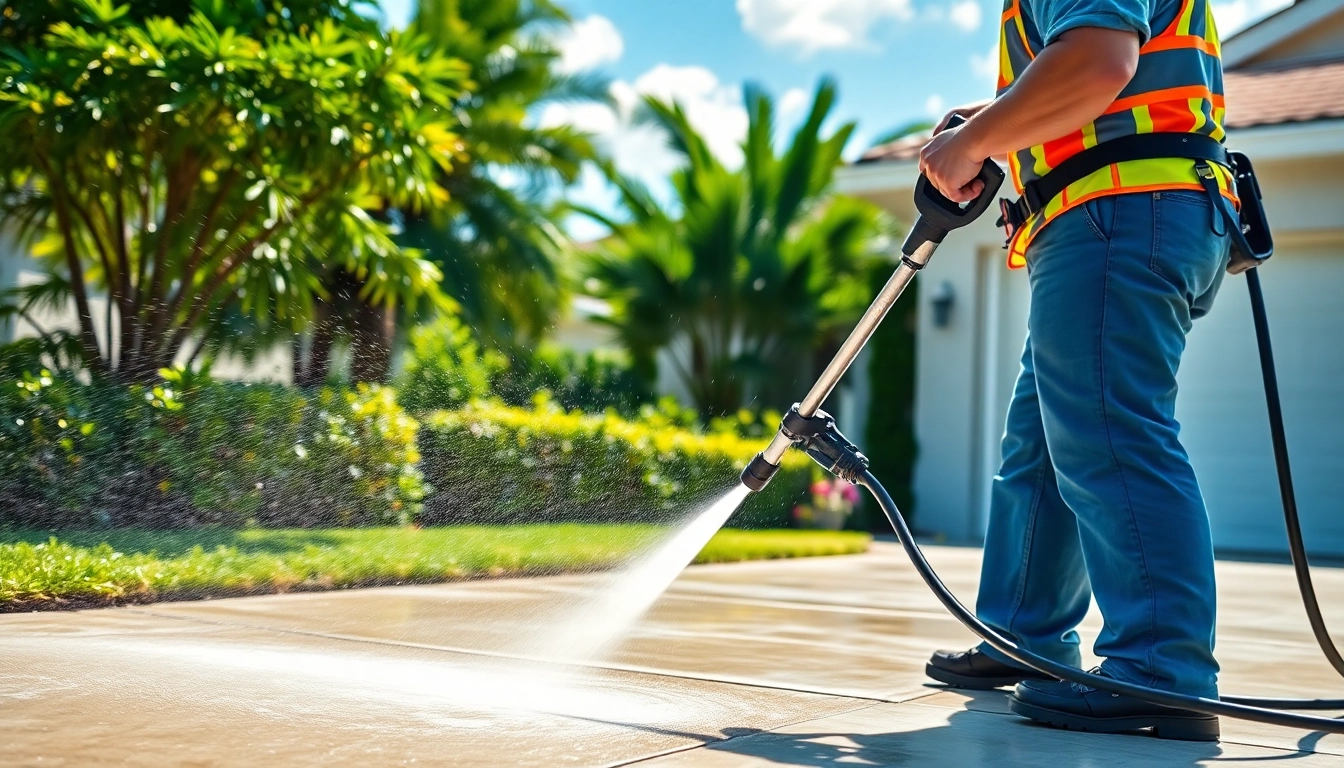
Concrete cleaning refers to the process of removing debris, stains, and surface contaminants from concrete structures, including driveways, patios, sidewalks, and commercial flooring. Various methods can be employed, such as pressure washing, chemical treatments, and mechanical scrubbing, depending on the nature of the stains and the specific requirements of the surface. Pressure washing is particularly effective for outdoor surfaces, utilizing high-pressure water jets to dislodge and remove dirt built up over time.
The Importance of Regular Concrete Maintenance
Regular maintenance of concrete surfaces is crucial for various reasons:
- Aesthetic Appeal: Clean concrete enhances the overall appearance of your property, improving curb appeal and creating a welcoming environment.
- Prevent Damage: Accumulated grime and stains can lead to deterioration, cracking, or staining of the concrete over time.
- Enhanced Safety: Dirty concrete can become slippery and hazardous, particularly when wet. Regular cleaning helps maintain traction and safety.
- Cost-Effectiveness: Investing in routine cleaning can prevent more extensive and expensive repairs down the line.
Common Misconceptions About Concrete Cleaning
Many property owners harbor misconceptions regarding concrete cleaning that can hinder them from making informed decisions:
- Pressure Washing Damages Concrete: While improper use can indeed damage concrete, professional services use appropriate techniques and pressures to ensure safety.
- Concrete Doesn’t Need Cleaning: Concrete is porous and can absorb stains; neglecting to clean it can lead to more significant issues.
- It’s an Unnecessary Expense: The long-term benefits of regular concrete cleaning outweigh the cost, preserving property value and aesthetics.
Best Practices for Effective Concrete Cleaning
To achieve the best results in concrete cleaning, it’s essential to follow certain best practices, which ensure efficiency and safety.
Choosing the Right Equipment and Techniques
Selecting the appropriate equipment is critical for effective concrete cleaning. Pressure washers, for example, come in various sizes and power ratings:
- Electric Pressure Washers: Ideal for light-duty cleaning tasks.
- Gas-Powered Pressure Washers: More powerful and suitable for heavy-duty jobs.
- Surface Cleaners: Can be attached to pressure washers for a more even clean on large concrete areas.
Eco-Friendly Cleaning Solutions
Utilizing eco-safe cleaning agents not only protects the environment but also ensures the safety of plants and animals in the vicinity. Options include:
- Baking Soda: An effective natural cleaner for mild stains.
- Vinegar: A powerful organic option for removing grease.
- Commercial Biodegradable Cleaners: Designed specifically for use with pressure washers.
Preparing Your Space for a Successful Clean
Proper preparation is key to successful concrete cleaning:
- Clear the Area: Remove any furniture or obstacles that may hinder the cleaning process.
- Pre-Treat Stains: Apply cleaning solution to tough stains in advance for better results.
- Use Protective Gear: Always wear safety glasses and gloves when handling cleaning chemicals and equipment.
Challenges in Concrete Cleaning
While concrete cleaning can be effective, several challenges may arise throughout the process, requiring strategic approaches to overcome them.
Identifying Different Types of Stains
Understanding the type of stains present on concrete is crucial for successful removal:
- Organic Stains: Caused by mold, algae, and dirt; usually respond well to pressure washing combined with eco-friendly cleaners.
- Oil and Grease Stains: Require specific degreasers and longer dwell times to break down the contaminants.
- Rust Stains: Often require acidic treatments to effectively remove.
Tackling Tough Marks: Oil, Grease, and More
Oil and grease stains can be particularly challenging to remove. Effective methods include:
- Absorbents: Products like kitty litter can soak up excess oil before cleaning.
- Hot Water Pressure Washing: Heat can help break down greasy substances for easier removal.
- Specialized Cleaners: Using a degreaser formulated specifically for concrete.
Preventing Damage During the Cleaning Process
To avoid damaging concrete surfaces, consider these precautions:
- Test in Small Areas: Always perform a small-scale test when trying out a new cleaning method.
- Adjust Pressure Settings: Ensure the pressure washer is set to an appropriate level to avoid etching.
- Use Proper Nozzles: Different nozzles can create varying spray patterns and pressures.
Concrete Cleaning for Residential vs. Commercial Properties
The approach to concrete cleaning can vary significantly between residential and commercial properties, each with unique needs and challenges.
Unique Needs of Residential Concrete Cleaning
When cleaning residential properties, factors like aesthetic appeal and safety are paramount. Typical areas requiring attention include:
- Driveways: Removing stains from vehicles and oils is crucial.
- Patios and Walkways: Maintaining a clean surface is vital for entertaining and safety.
- Pool Decks: Regular cleaning is necessary to prevent slips and maintain hygiene.
Commercial Concrete Cleaning Best Practices
For commercial properties, the focus often shifts to maintaining a professional appearance and ensuring safety for customers. Key practices include:
- Regular Scheduling: Establishing a routine maintenance schedule to keep exteriors clean.
- Utilizing Professional Equipment: Large areas often require industrial-grade cleaning tools.
- Addressing High-Traffic Areas: Prioritize cleaning surfaces subjected to heavy foot traffic.
Case Studies: Successful Projects in Kissimmee
Many businesses in Kissimmee have benefited from effective concrete cleaning services that enhance their property’s appearance. For instance, a local restaurant successfully transformed its outdoor patio area through a professional cleaning regimen that involved:
- Initial Assessment: Identifying stains and formulating a cleaning strategy.
- Pressure Washing: Utilizing high-pressure hot water to remove grease and grime effectively.
- Ongoing Maintenance: Establishing a routine cleaning schedule to keep surfaces pristine.
Future Trends in Concrete Cleaning
The concrete cleaning industry is continuously evolving, with new technologies and practices enhancing effectiveness and sustainability.
Innovations in Cleaning Technology for 2025
As we look toward 2025, several trends are shaping the future of concrete cleaning:
- Automated Cleaning Systems: Robotics are being developed to facilitate large-area cleaning with minimal manpower.
- Advanced Eco-Friendly Solutions: Innovations in biodegradable cleaning agents are on the rise, focusing on efficiency without harming the environment.
- Smart Monitoring Systems: IoT devices that monitor concrete conditions and schedule maintenance when needed.
The Shift Towards Sustainable Cleaning Practices
Environmental consciousness is driving a shift toward sustainable concrete cleaning practices, including:
- Water Conservation: Employing techniques like water reclamation during pressure washing helps in reducing wastage.
- Eco-Friendly Chemicals: Increasing use of plant-based or biodegradable cleaning solutions.
- Energy-Efficient Equipment: Transitioning to solar-powered or electric cleaning equipment to minimize carbon footprints.
Emerging Consumer Preferences in Concrete Care
As consumer awareness of environmental issues grows, increasing numbers of homeowners and business owners are prioritizing:
- Eco-Friendly Services: Preference for service providers using sustainable practices and materials.
- Comprehensive Maintenance Plans: Looking for long-term relationships with cleaning services to keep concrete surfaces in optimal condition.
- Transparency: Demand for transparency regarding cleaning methods and materials used.


